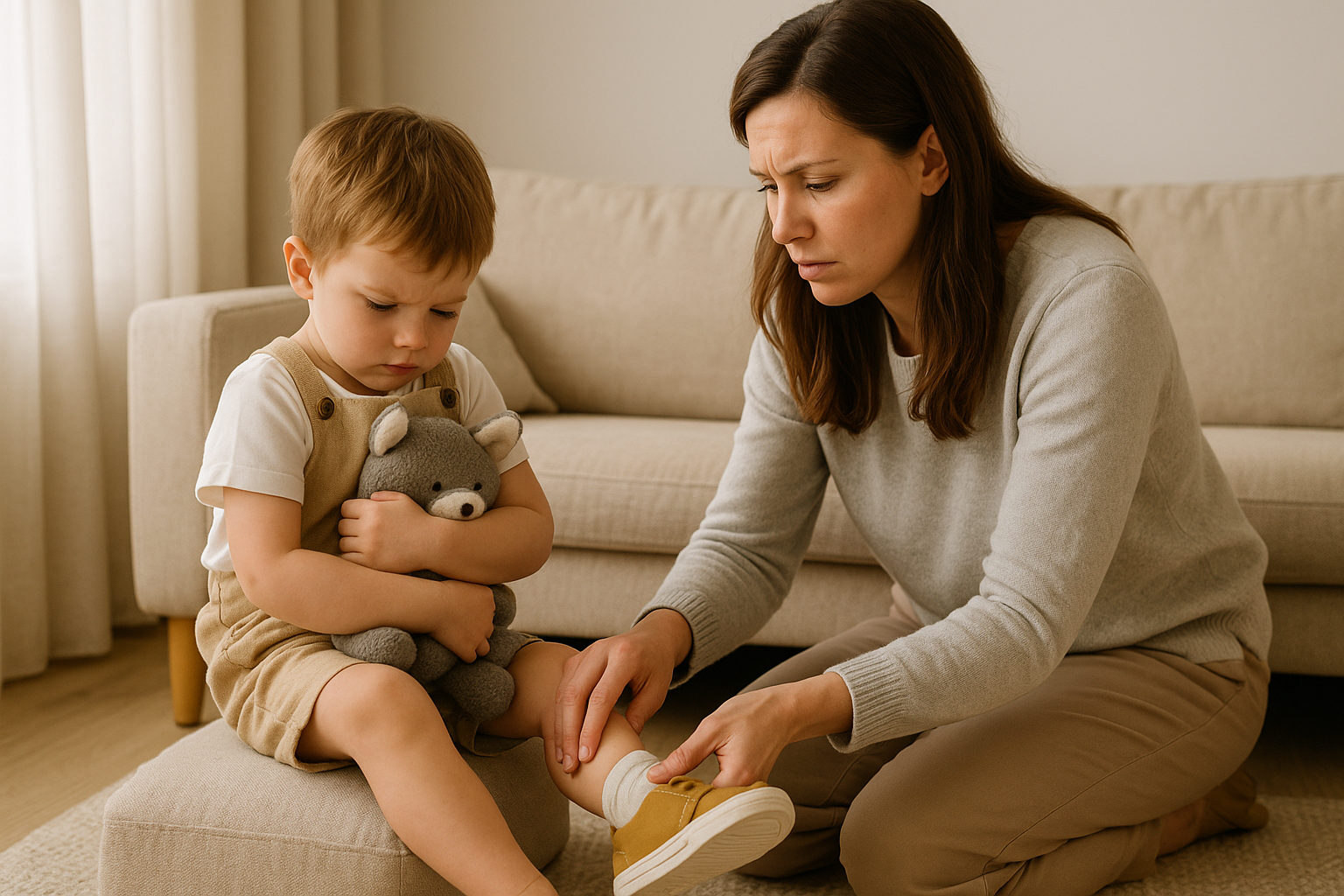
A practical guide to cooperation skills for ages 3–6
Why preschoolers don’t listen is one of the most common frustrations for parents. You ask your child to put on shoes; they keep building blocks. You say it’s time to eat; they resist loudly. Understanding what’s behind it can turn chaos into cooperation.
In most cases, children aren’t ignoring you. They’re learning the lifelong skill of cooperation. Here are calm, proven strategies to help them follow directions more easily.
1) Why preschoolers don’t listen: developmental reasons
- They’re deeply focused on their current activity
- They find it hard to switch tasks quickly
- Big emotions rise faster than language skills
- Multi-step directions are overwhelming
2) Cooperation is not obedience
Cooperation means working together to complete a task. It grows through respect, inclusion, and structure. When preschoolers feel understood, they cooperate more willingly.
3) Gentle habits that help preschoolers listen better
1. Connect before you direct
Make eye contact, get close, and name what they’re doing first: “You’re having fun building. Let’s save it and come back later.”
2. Clear “First–Then” directions
Predictable order reduces resistance: “First shoes, then playground.”
3. Offer limited choices
“Socks or shoes first?” “Blue cup or green cup?” Simple choices keep control but allow participation.
4) What to say instead
| Situation | Common reaction | Gentle alternative |
|---|---|---|
| Not getting ready | “Hurry up!” | “Do you want to start with socks or shoes?” |
| Ending screen time | “Turn it off now!” | “Show me how you press the off button.” |
5) Preschoolers learn cooperation step by step
They’re practicing waiting, self-control, and transitions. Consistent routines and empathy help them succeed.
Related guides
Start here → Behavior & Cooperation Hub