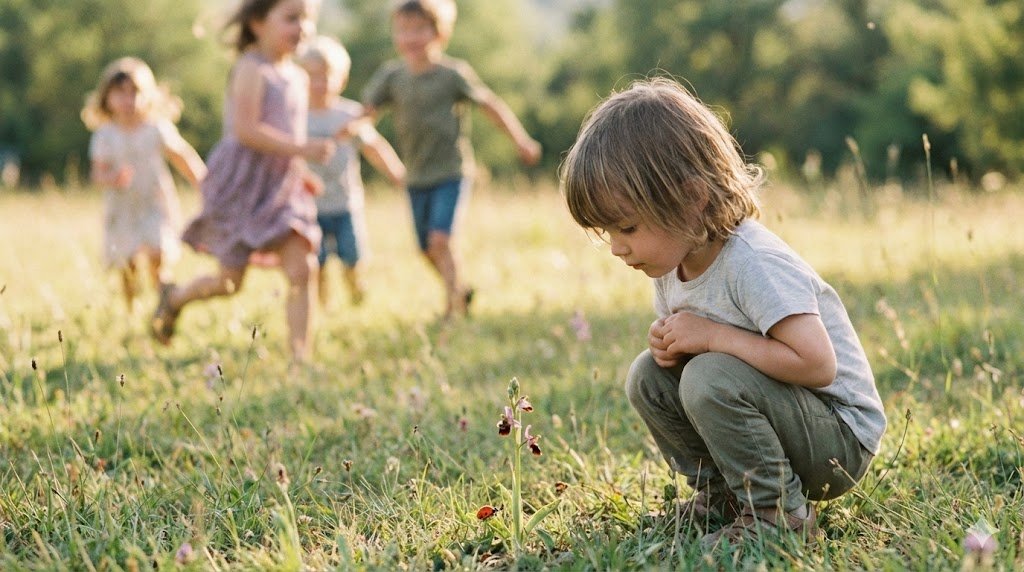
Because your child doesn’t owe the world an immediate performance.
We’ve all been there—that awkward beat of silence at a grocery store or a family dinner when a neighbor asks your child a question. In that moment, the urge to stop labeling child shy behavior as a problem is often replaced by a weird social pressure to “fix” the situation. You want the world to know you’ve raised a polite, social human, so you blurt out the ultimate social crutch:
“I’m sorry, she’s just shy.”
Let’s be honest: that apology is 100% for you. It’s a way to soothe your own ego. But by using the “S-word,” we are trading our child’s autonomy for ten seconds of social ease. We are handing them a script that says their natural hesitation is a “problem” that needs an explanation.
Why You Should Stop Labeling Your Child Shy
When we call a child “shy,” we aren’t just describing a temporary feeling; we are handing them a life sentence. Children are mirrors—if they hear “he’s shy” often enough, they begin to believe that silence is their only option.
The Science of the “Slow-to-Warm-Up” Child
It’s time to stop treating caution as a personality flaw. Research on temperament shows that about 15-20% of children are naturally “slow-to-warm-up.” This isn’t social anxiety; it’s biological wiring.
Your child isn’t “scared.” They are simply observant. While some kids are “instant connectors,” others prefer to gauge the energy and scan for safety before they engage.
Respecting Social Boundaries
One of the hardest pills to swallow is that your child does not owe the world a performance. They don’t owe a stranger a smile just to validate your “parenting skills.” The awkwardness that follows their silence belongs to the adult who expected an immediate response—not to your child.
What to Say Instead
Stop over-explaining. If you treat their silence like a tragedy, they will too. Use these casual, neutral phrases instead:
- “He’s good. Just taking it all in right now.”
- “She takes a bit of time to get her bearings. No rush.”
- “He’ll talk when he’s ready; he’s a watcher.”
- “We’re just in observer mode today.”
Raising Adults Who Don’t People-Please
Retiring the “S-word” isn’t just about surviving a lunch date; it’s about breaking the cycle of people-pleasing. When we respect our child’s right to be quiet, we are teaching them unshakeable self-trust.
From Our Collection
Gentle alternatives that respect feelings instead of shutting them down.
Naming Their FeelingsHelping kids find words at their own pace without labels.
Handling Tantrums CalmlyConnection-first tools for navigating big emotions.
The Mental Load of MomsWhen the urge to explain your child is really parental overload.
FREE: 10 Calm-Down Phrases
3 pages of what to say during meltdowns, hitting, screaming, and when nothing works.
Print them. Stick them on your fridge.